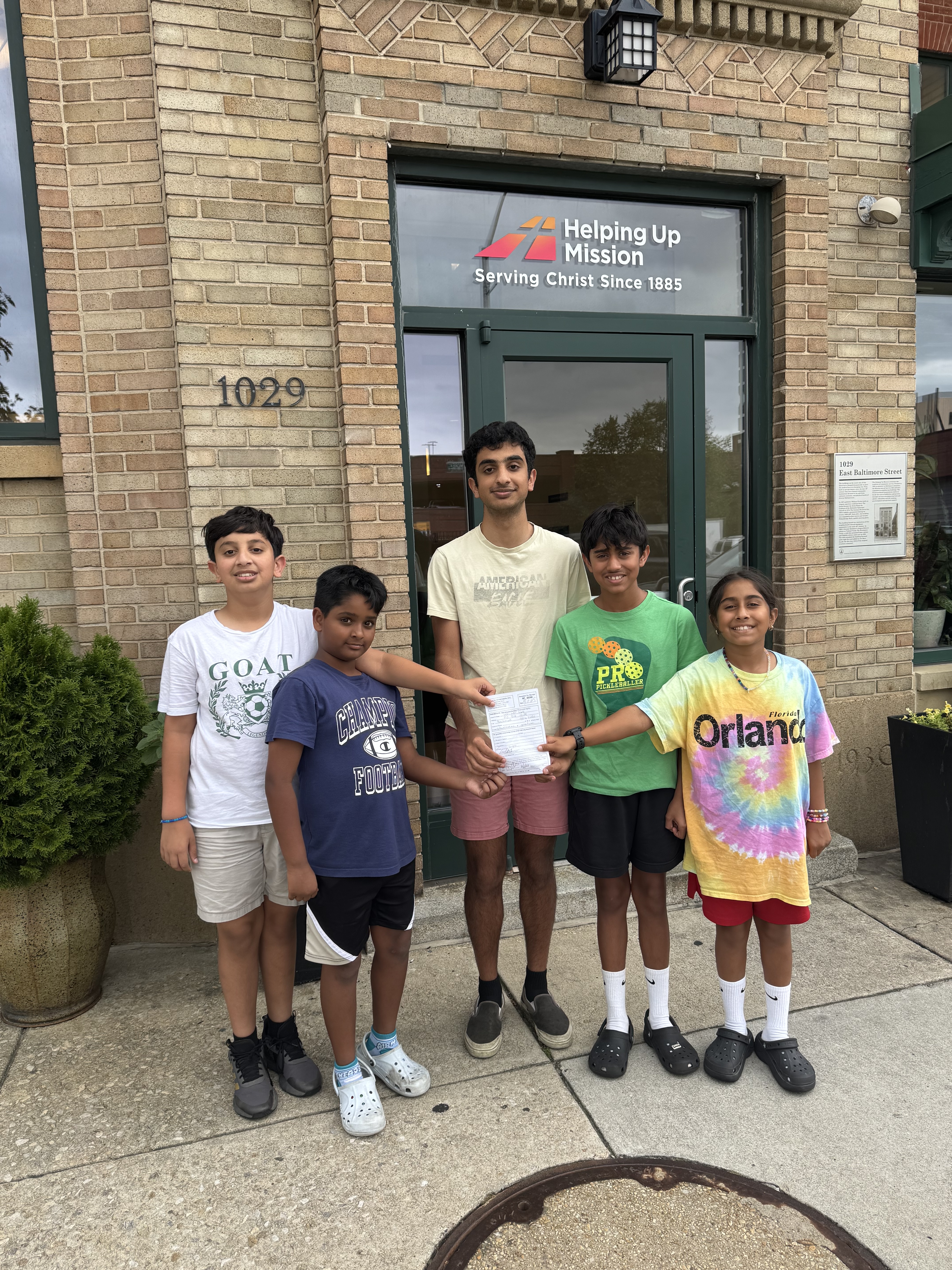
What Is This Program?
This summer, Leftover Love is bringing young people into the heart of Baltimore's food rescue movement. With 6 hands-on field trips — running from mid-June through late August — youth participants will ride along with real food rescue operations, meet the people and organizations fighting food waste across the city, and make a direct, measurable difference in their communities.
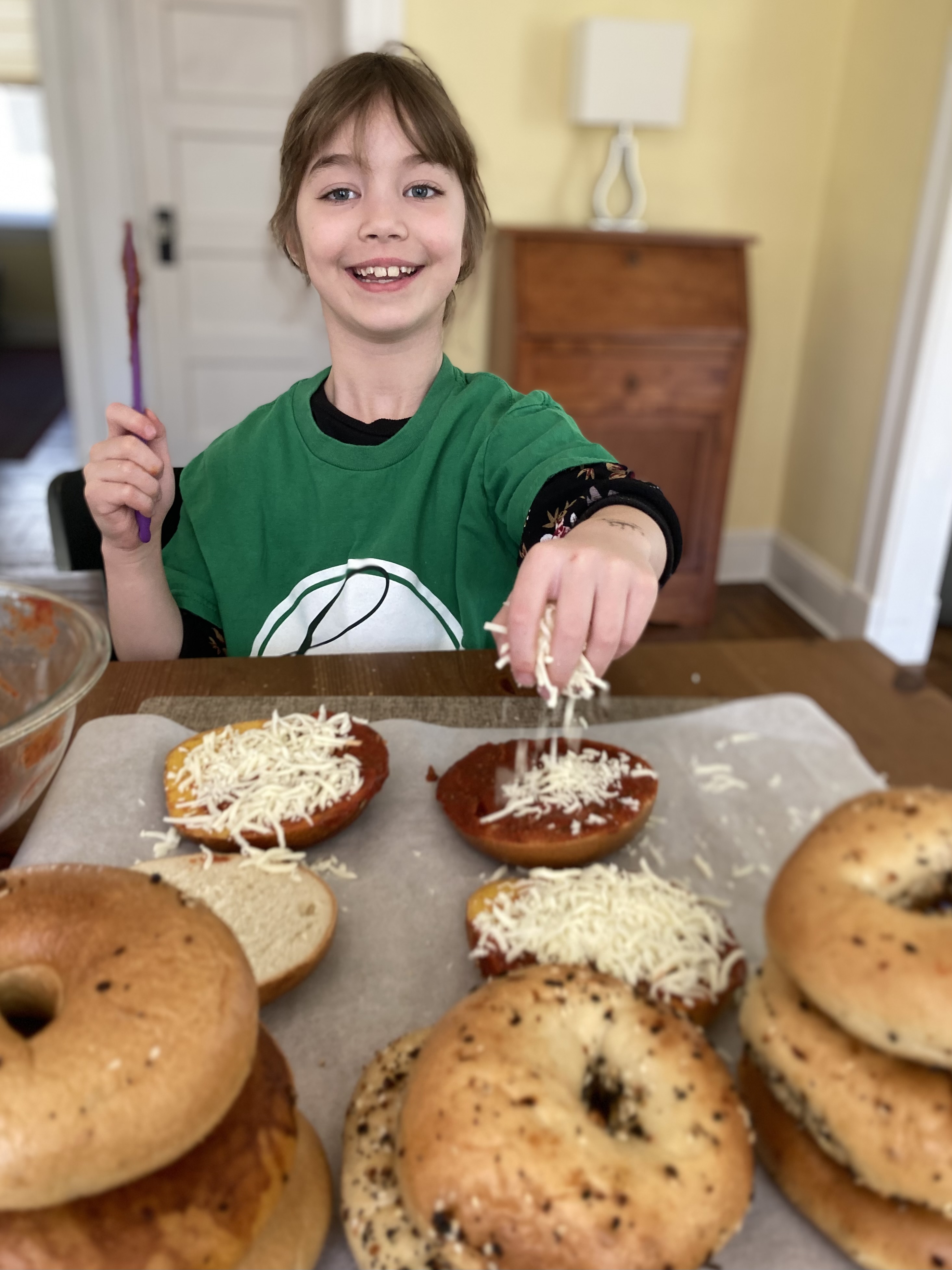
This isn't a classroom. Every trip puts youth in action: learning about food insecurity and waste, learning how baltimore locals are cooking in their kitchens, loading rescued food, weighing donations, serving meals, stocking community fridges and meeting the non profit partners that receive this food.
Who Is This For?
Each of the 6 hands-on field trips are open to youth participants from ages 0-24 in the Baltimore area. Content for this series is geared towards K-12 students.
What Will My Child Learn?
By the end of the summer, youth will understand:
- Where food waste comes from — stadiums, bakeries, farms, restaurants, and retail stores all generate surplus food every single day
- Where rescued food goes — Non Profit partners, community fridges and schools.
- How to measure impact — youth use hand scales to weigh donations and track the pounds of food rescued each trip
- Food safety basics — including hands-on training for food handling, food safety and Servesafe certiified trainers in managing perishable items responsibly
- The people behind food access — by meeting staff, volunteers, and community members at every stop, youth build a real understanding of how Baltimore addresses food insecurity and waste.
- Their own voice — the program culminates in a wrap-up session to reflect on the day's activities and answer any questions they may have.
What Does a Trip Look Like?
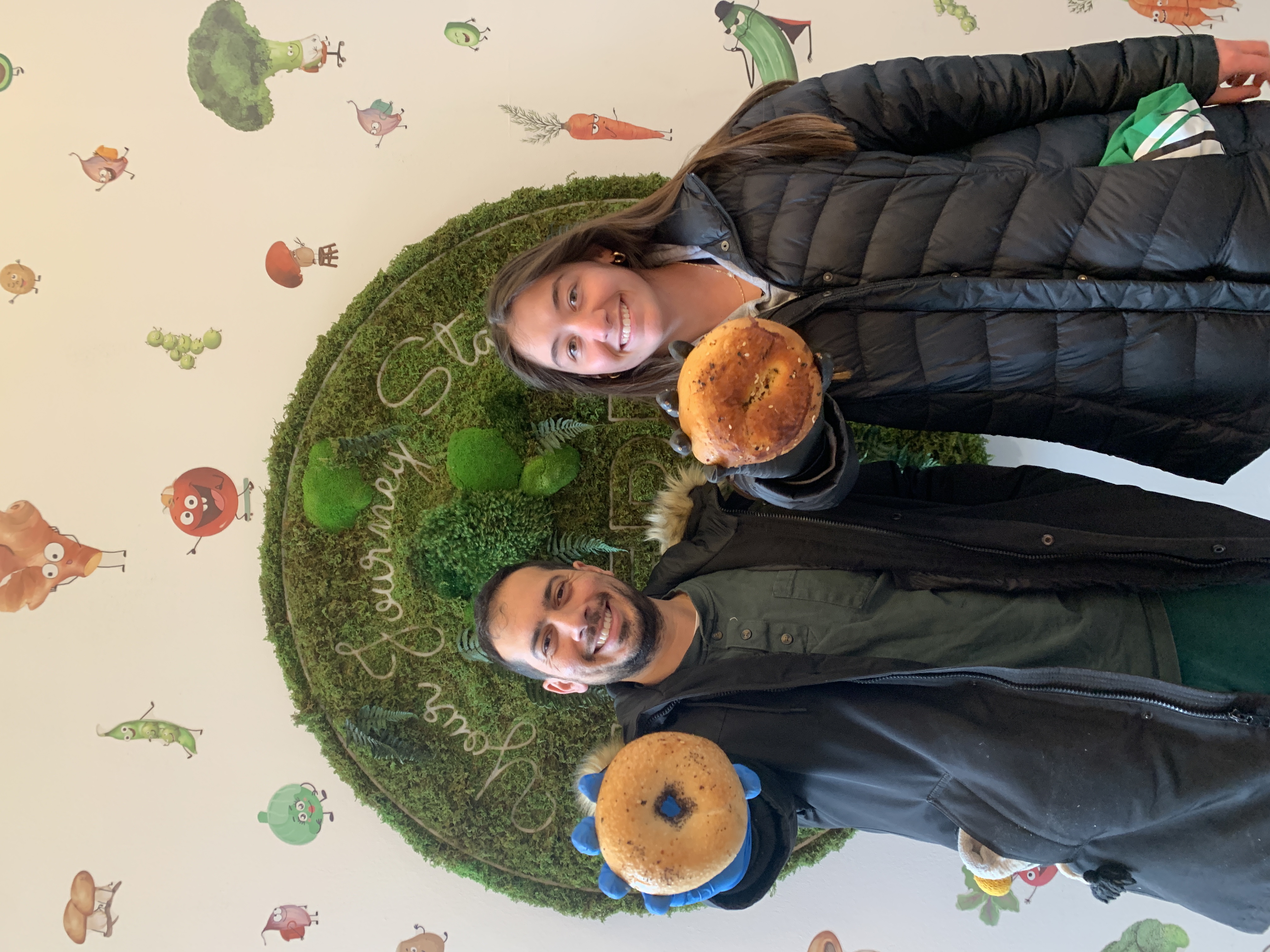
Potential partners may include: Camden Yards, Great Kids Farm, Ovenbird Bakery, Helping Up Mission, THB Bagels & Deli, Panera Bread, Uber Bagels & Deli and more.
- 10:30 AM
Parents Drop off at a designated branch of Enoch Pratt Public Library
- 11:00 AM
Orientation with Leftover Love
- 12:00 PM
Arrival at food donor site for behind the scenes tour; transportation & lunch provided
- 1:00 PM
Youth conduct food rescue
- 2:00 PM
Arrival at food recipient site for behind the scenes tour; transportation provided
- 3:00 PM
Arrival at Enoch Pratt Public Library for wrap-up session
- 4:00 PM
Parent Pick-Up at Enoch Pratt Public Library
Trip times and structure vary slightly by location. Full schedules will be shared before each trip.
The 6 Trips: Schedule at a Glance
Here's the full chronological line-up — all six trips, partners, and dates are set.
- Thursday, June 18, 2026
Trip 1 — Breaking Bread
Ovenbird (Highlandtown)→Helping Up Mission
See how a busy community kitchen turns rescued food into warm, dignified meals—and why that work matters block by block.
- Tuesday, July 7, 2026
Trip 2 — Community Lifelines
THB Bagels (Locust Point)→Baltimore Station (Highlandtown Branch)
Discover how a neighborhood library doubles as a lifeline: youth help run the weekly Free Market, where neighbors pick up fresh food and essentials with pride.
- Wednesday, July 15, 2026
Trip 3 — Breaking Bread Pt. 2
Good Boy Bagels→Enoch Pratt Free Market
A hands-on look at low-barrier food access: youth help sort and organize rescued food so it's ready for Friday distribution to the community.
- Thursday, July 30, 2026
Trip 4 — Breaking Bread Pt. 3
Uber Bagels & Deli (Timonium)→Enoch Pratt Free Market
Another turn at the Free Market: youth organize rescued food for Friday distribution and see how welcoming, low-barrier access keeps neighbors fed.
- Tuesday, August 4, 2026
Trip 5 — County-to-City Connection
La Chow→Future Think Hub
Follow food from a bustling ghost kitchen into the city, learning how partners prep for their Saturday community food giveaways.
- Friday, August 14, 2026
Trip 6 — Seed to Plate
Great Kids Farm→Bmore Community Fridge Network (BCFN)
From soil to sidewalk kindness: a morning among the rows, then out to stock community fridges where Baltimoreans look out for one another—no gatekeeping, just care.
Safety & Supervision
Your child's safety is our top priority. Here's what we have in place:
- Transportation: All trips are provided by a transportation partner.
- Adult supervision: Staff-to-youth ratios ensure participants are supervised at all times
- Food safety training: Youth receive instruction from Food Safety Consultants before handling any food donations
- PPE provided: Every participant receives masks and gloves for use during food handling
- Vetted partner sites: All donor and recipient organizations are established Leftover Love partners
- Emergency protocols: Registration will include allergen information, dietary restrictions, permission to administer first aid and emergency contact information.
What Does My Child Bring Home?
Beyond the experience itself, every participant receives:
- A branded Leftover Love T-shirt, reusable tote bag, notebook and pen for journaling and note-taking across their trip.
- A hands on community service experience. All Leftover Love trips count as community service hours for their school.
Program Logistics
- Duration: June through August 2026 (6 trips, roughly every two weeks)
- Transportation: Buses or vans will be provided for all trips
- Meals: Lunch is provided at the donor site on every trip
Questions?
For any questions, please contact us at info@leftoverloveinc.org
On the day before the trip, parents / guardians will receive detailed information about the trip as well as contact information of the chaperones for that day.
Leftover Love, Inc. is a Baltimore-based nonprofit dedicated to reducing food waste and building food equity through community-led rescue operations.